 gamblingwebsitesuk.com
 Available in US
Apple Pay and Google Pay Casinos UK: Fast Mobile Deposits
Contents
Making Mobile Deposits with Apple Pay and Google Pay
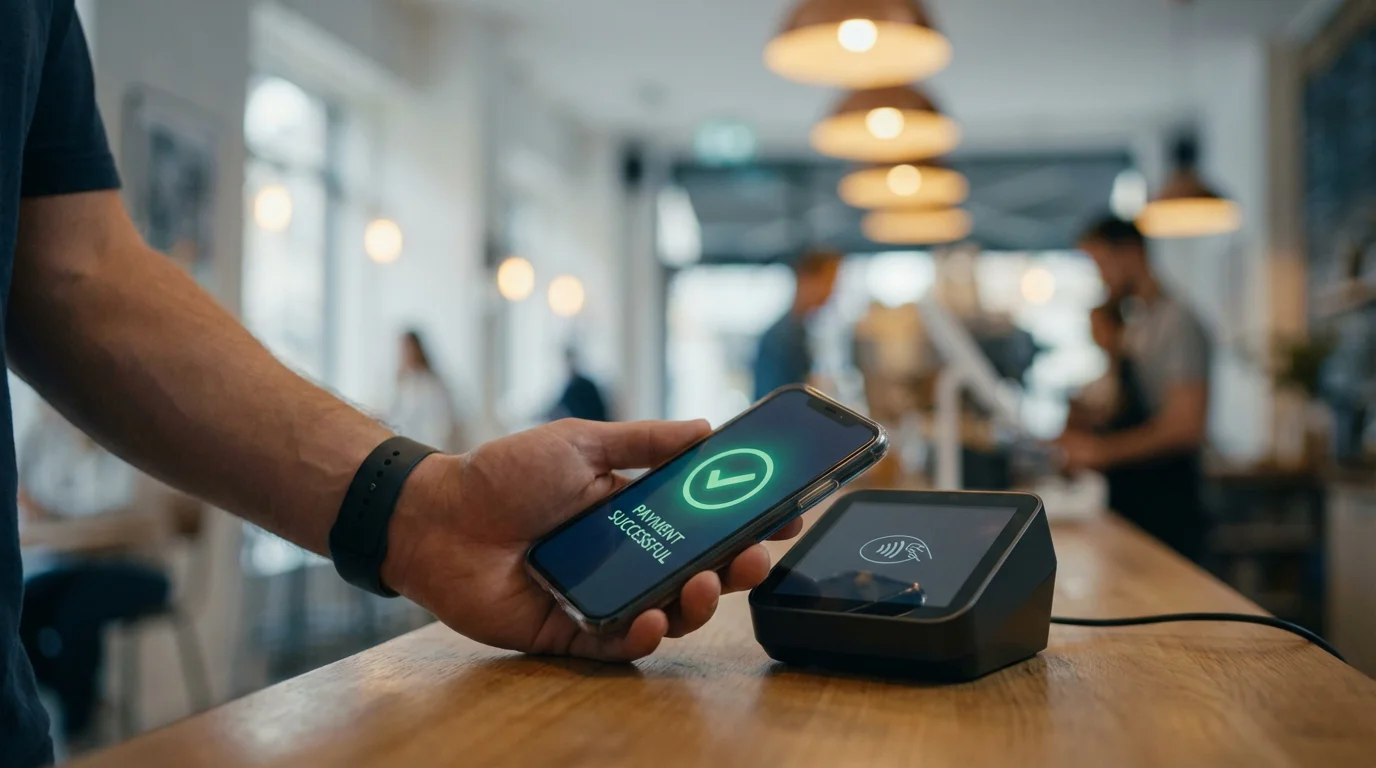
Apple Pay and Google Pay have made their way onto UK gambling sites for the same reason they’ve taken over coffee shops and supermarket checkouts: they’re fast, they’re secure, and most people already have them set up on their phones. A deposit that once required typing out a sixteen-digit card number, an expiry date, and a CVV now takes a single biometric confirmation — thumb on the sensor, glance at the screen, done.
Both services work as wrappers around your existing debit card. They don’t hold a separate balance like PayPal or Skrill. Instead, they tokenise your card details and transmit them to the gambling site without exposing your actual card number. The transaction is processed as a debit card payment on the bank’s side, but from the player’s perspective, it feels like a different method entirely — faster, simpler, and contained within the device you’re already using to gamble.
Adoption among UK gambling operators has grown steadily, though coverage is not yet universal. The major bookmakers and casino sites generally accept both methods for deposits. Withdrawals, as with most things in gambling payments, are a more complicated story.
How Mobile Wallet Payments Work
When you select Apple Pay or Google Pay as a deposit method on a gambling site, the transaction follows a specific path that’s worth understanding because it determines both the speed and the limitations of the method.
Your phone stores a tokenised version of your debit card — not the card number itself, but a device-specific substitute generated by the card network (Visa or Mastercard). When you authorise a payment via Face ID, Touch ID, or your Android biometric sensor, the token is transmitted to the gambling operator’s payment processor, which passes it to the card network for authorisation. The card network recognises the token, maps it to your actual card, and processes the payment. Your bank debits the amount from your account. The funds appear on the gambling site instantly.
The critical point is that the underlying transaction is a debit card payment. Apple Pay and Google Pay are interfaces, not payment networks. They don’t move money themselves — they facilitate a debit card transaction through a more secure and more convenient authentication method. This distinction matters because it affects withdrawal eligibility, spending limits, and how the transaction appears on your bank statement.
On your bank statement, an Apple Pay or Google Pay deposit to a gambling site will appear as a standard card transaction to the operator, identical to a direct debit card deposit. There is no separate “Apple Pay” line item. If you’re tracking gambling expenditure through your bank, these transactions are indistinguishable from direct card payments.
Security is the area where mobile wallets offer a genuine upgrade over direct card entry. Your card number is never shared with the gambling operator. The token used for the transaction is device-specific and cannot be reused on another device or by another party. Even if the operator’s payment system were compromised, the attacker would obtain a token that’s useless without your specific device and biometric authentication. This is a meaningful improvement over typing card details into a web form, where the number itself is transmitted and stored by the merchant.
Apple Pay on UK Gambling Sites
Apple Pay is available on gambling sites through Safari on iPhone and iPad, and through native iOS apps where the operator has integrated Apple’s payment framework. The experience is consistent: tap the Apple Pay button, confirm with Face ID or Touch ID, and the deposit processes immediately.
Coverage among UK operators is broad but not total. The largest bookmakers and casino brands — the names you’d recognise from television advertising and Premier League sponsorship — almost universally support Apple Pay deposits. Smaller operators, particularly those running on white-label platforms, may not offer it if their platform provider hasn’t completed the integration. Checking the operator’s banking page before registering takes seconds and avoids the frustration of discovering the method isn’t available after you’ve created an account.
Apple Pay deposits are subject to the same limits as the underlying debit card. If your bank imposes a daily contactless or online spending limit, that limit applies to Apple Pay gambling transactions as well. Some operators set their own maximum deposit amounts for Apple Pay that may be lower than their standard debit card limits — a technical constraint rather than a policy choice, driven by how Apple’s payment tokenisation integrates with the operator’s processing system.
On desktop, Apple Pay is available through Safari on Mac devices running macOS Sierra or later, provided the Mac supports Touch ID or is paired with an iPhone for authentication. This means Apple Pay is not limited to mobile gambling — you can use it on the desktop version of a gambling site if you’re within Apple’s ecosystem. The experience is slightly less seamless than on iPhone, but it still avoids manual card entry.
Google Pay on UK Gambling Sites
Google Pay works on Android devices through Chrome and through native apps that have integrated Google’s payment API. The deposit flow mirrors Apple Pay: select Google Pay, authenticate with your fingerprint or screen lock, and the transaction completes. The underlying mechanics — tokenisation, debit card processing, instant settlement — are functionally identical.
Operator support for Google Pay has historically lagged slightly behind Apple Pay in the UK gambling market, though the gap has narrowed. Google’s more permissive approach to gambling app distribution on the Play Store, combined with Android’s dominant market share in certain demographics, has incentivised operators to integrate Google Pay alongside Apple Pay. Most major UK operators now accept both.
Google Pay transactions, like Apple Pay, are processed as debit card payments and are subject to the same bank-imposed limits. Google Pay can also be used on desktop through Chrome on any platform, not just within Google’s own hardware ecosystem, which gives it broader desktop compatibility than Apple Pay’s Safari-only requirement.
One difference worth noting: Google Pay allows users to add multiple payment methods and select which one to use for each transaction. If you have two debit cards in your Google Pay wallet, you can choose which one funds each gambling deposit. Apple Pay offers the same functionality, but Google’s interface makes the card selection more prominent during the checkout flow.
Limitations: Withdrawals and Bonus Eligibility
The most significant limitation of both Apple Pay and Google Pay for gambling is withdrawals. Most UK operators do not support withdrawals to mobile wallets. Since the underlying transaction is a debit card payment, the operator’s system treats an Apple Pay or Google Pay deposit as a card deposit — and withdrawals are returned to the card, not to the wallet interface.
In practice, this means your withdrawal goes directly to the debit card linked to your mobile wallet. The funds don’t pass through Apple Pay or Google Pay on the way back; they follow the standard Visa or Mastercard return path. Withdrawal times are therefore identical to standard debit card withdrawal times — typically one to three working days, depending on the operator’s processing speed and your bank’s settlement schedule. If you want faster withdrawals, using a dedicated e-wallet like PayPal for both deposits and withdrawals remains a better option.
Bonus eligibility is another area to check. Some operators exclude mobile wallet deposits from welcome bonus qualification, treating them as a payment method category that doesn’t trigger the promotional credit. This isn’t universal — many operators accept Apple Pay and Google Pay deposits for bonus purposes — but it varies enough that checking the bonus terms before depositing is essential. The relevant clause is usually found under “Eligible Payment Methods” in the promotion’s terms and conditions.
Transaction tracking can also be less granular with mobile wallets. Because the transactions appear on your bank statement as standard card payments to the operator, there’s no mobile-wallet-specific record that separates gambling transactions from other card spending. If you value clear segregation of your gambling expenditure, an e-wallet with its own transaction history may serve that purpose better than a card wrapper.
Tap, Bet, Done
Apple Pay and Google Pay aren’t revolutionary payment methods. They’re a convenience layer on top of existing card infrastructure. What they do well — fast deposits, strong security, no manual data entry — they do very well. What they don’t do — fast withdrawals, independent balance management, bonus qualification guarantee — they don’t do at all.
For players who deposit via debit card anyway, switching to the mobile wallet version of that card is a pure upgrade: same transaction, better security, less friction. For players who prioritise withdrawal speed or want a dedicated gambling payment channel with its own transaction history, e-wallets remain the stronger choice. The right method depends on which side of the deposit-withdrawal equation matters more to you.
