 gamblingwebsitesuk.com
 Available in US
PayPal Gambling Sites UK: Fast Deposits and Withdrawals
Contents
Using PayPal for UK Gambling Deposits and Withdrawals
PayPal is the most widely used e-wallet in the UK, and its acceptance on gambling sites makes it the most convenient deposit and withdrawal method for players who already have an account. Unlike specialist gambling e-wallets — Skrill and Neteller were built specifically for the iGaming market — PayPal is a mainstream financial tool that happens to work on gambling sites, which means most British players don’t need to create a new account or learn a new system to use it.
That familiarity is PayPal’s primary advantage. The secondary advantage is speed. PayPal deposits are instant, and withdrawals are among the fastest available — typically arriving in your PayPal balance within hours of operator approval. A third, less obvious advantage is the layer of separation PayPal places between your bank account and the gambling site. The operator never sees your bank details; they see your PayPal account. For players who prefer not to share banking information directly with a gambling company, that intermediary layer provides practical privacy.
PayPal is available on a significant number of UKGC-licensed sites, though not all. The company applies its own due diligence on gambling operators and can withdraw its services from sites that fail to meet its compliance standards — a filter that, coincidentally, tends to align with UKGC enforcement activity.
Setting Up PayPal for Gambling
If you already have a UK PayPal account, you can use it on supported gambling sites immediately. No additional configuration is needed specifically for gambling use — your existing account works the same way it does for any other online transaction.
If you don’t have a PayPal account, the setup process takes a few minutes. You’ll need a UK email address, a linked bank account or debit card, and the standard identity verification that PayPal requires for all accounts. Linking a bank account is recommended over linking only a debit card, because it gives you more flexibility for funding your PayPal balance and receiving withdrawals.
PayPal accounts must be verified to be used for gambling transactions. Verification involves confirming your identity and linking a bank account or card. Unverified PayPal accounts — those with a temporary or limited status — may be declined by gambling operators even if the deposit technically processes, because the operator’s payment system checks the verification status of the incoming PayPal account.
One setup detail worth noting: if your PayPal account uses a different email or name than your gambling account, some operators may flag the mismatch during their KYC process. PayPal transactions include the account holder’s name, and operators are required to verify that the depositing account matches the registered player. Using consistent details across both accounts avoids unnecessary friction.
Deposits and Withdrawals via PayPal
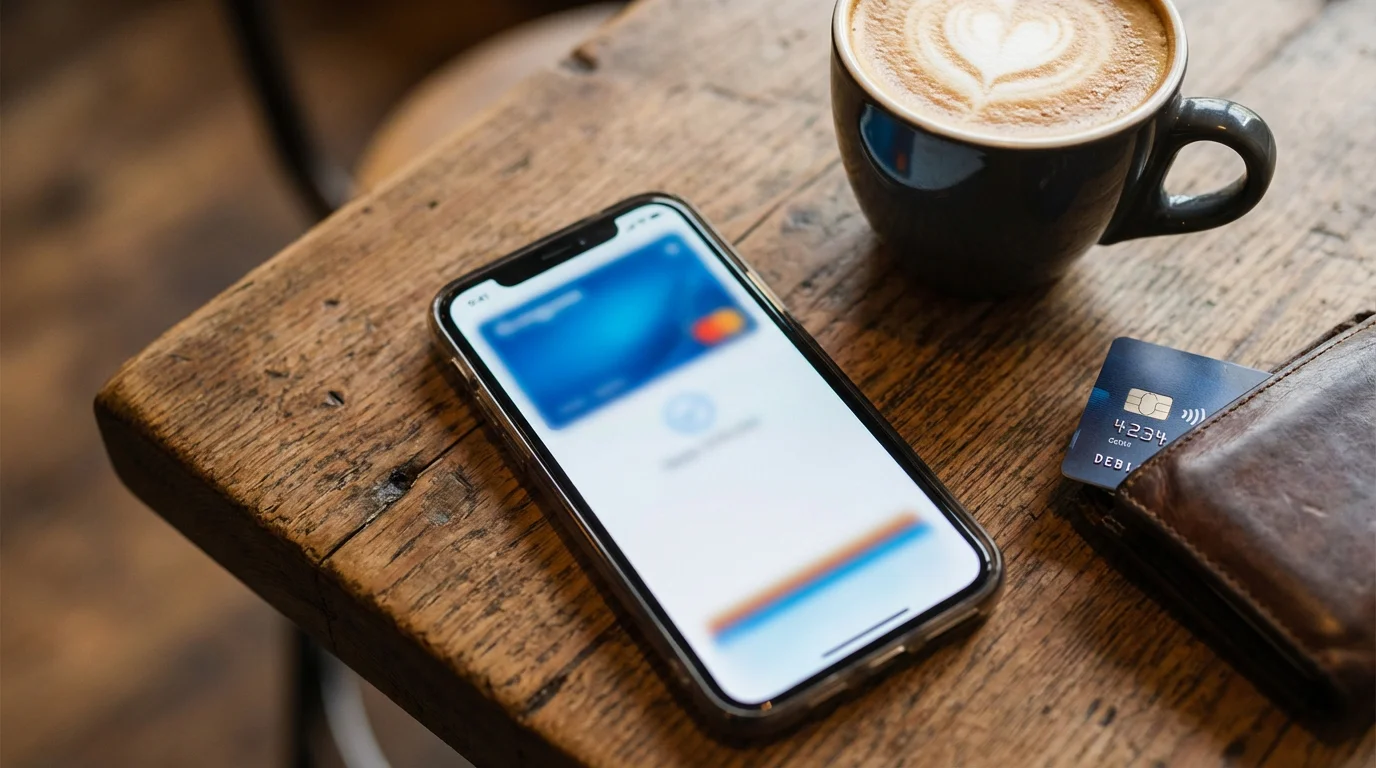
Depositing with PayPal follows a standard flow. Select PayPal as your payment method on the gambling site, enter the amount, and you’ll be redirected to PayPal to log in and confirm the transaction. The funds transfer instantly from your PayPal balance — or from your linked bank account or card if the balance is insufficient — to the gambling site. There’s no delay, no pending period, and no processing queue on the deposit side.
Withdrawals are where PayPal’s speed advantage becomes most apparent. Once the operator approves the withdrawal — which is an operator-side process, not a PayPal one — the funds typically arrive in your PayPal balance within minutes to a few hours. This makes PayPal one of the fastest withdrawal methods available on UK gambling sites, comparable to or faster than other e-wallets and significantly faster than debit card or bank transfer withdrawals.
Once the money is in your PayPal balance, you can spend it directly on any site or service that accepts PayPal, transfer it to your linked bank account (usually one to two working days via standard transfer, or instant for a small fee), or leave it in the PayPal balance for future use. The flexibility of the PayPal ecosystem means your gambling winnings are accessible almost immediately, without waiting for a bank transfer to clear.
The requirement to withdraw to the same method used for deposits applies to PayPal as it does to all payment methods on UK gambling sites. If you deposit via PayPal, your withdrawal will go back to PayPal. This is a standard anti-money laundering requirement and isn’t specific to any single payment method. If you deposit via multiple methods — partly PayPal, partly debit card — the operator will typically return funds to each method proportionally up to the deposit amount before sending any excess to a single chosen method.
PayPal Fees and Limits
PayPal does not charge fees for sending money to UK gambling sites, and most UKGC-licensed operators do not charge a fee for PayPal deposits or withdrawals. The transaction, in both directions, is typically free to the player. This is an advantage over some specialist e-wallets, which may impose dormancy fees, withdrawal fees, or currency conversion charges.
Deposit limits on PayPal transactions are set by two parties: the gambling operator and PayPal itself. The operator’s minimum deposit — usually £5 to £10 — applies regardless of payment method. The maximum deposit may vary by method, with some operators setting higher PayPal limits than debit card limits, or vice versa. PayPal’s own sending limits depend on your account verification status and history, but for verified UK accounts, the limits are generally high enough that operator-side caps will be the binding constraint.
Withdrawal limits follow the operator’s standard schedule. Most UK gambling sites set minimum withdrawals between £5 and £20, with daily or weekly maximum withdrawals that apply across all payment methods. There is no PayPal-specific withdrawal limit in most cases, though individual operators may set method-specific caps that affect larger payouts.
One scenario where fees can arise is currency conversion. If you’re gambling on a UK site that processes transactions in a currency other than GBP — unusual for UKGC-licensed sites but possible — PayPal will apply its standard exchange rate and conversion fee. For players using only GBP-denominated UK sites, this isn’t a concern.
PayPal vs Other E-Wallets
Skrill and Neteller are PayPal’s main competitors in the UK gambling e-wallet space, and the comparison is straightforward. PayPal wins on ubiquity and general-purpose usefulness. Skrill and Neteller win on gambling-specific features and wider operator acceptance in the iGaming sector.
PayPal is accepted by fewer gambling operators than Skrill or Neteller. PayPal’s own compliance requirements — it conducts independent due diligence on gambling partners and can suspend services to operators it deems non-compliant — mean that some smaller or newer gambling sites don’t offer PayPal as an option. Skrill and Neteller, which were purpose-built for the gambling industry, have broader coverage across the market.
Skrill and Neteller offer VIP programmes tailored to gambling customers, with benefits like higher transaction limits, dedicated account managers, and reduced fees for high-volume users. PayPal offers no equivalent gambling-specific loyalty programme. For recreational players, this is irrelevant. For high-volume players who process significant transaction volumes through their e-wallet, the specialist platforms offer tangible benefits that PayPal doesn’t match.
On the other hand, PayPal is a more useful financial tool outside of gambling. Your PayPal balance can be spent at millions of online and physical retailers, used for peer-to-peer transfers, and integrated with most major e-commerce platforms. Skrill and Neteller funds are less universally spendable, which means money sitting in those wallets is effectively locked into the gambling ecosystem until you transfer it out to a bank account.
For most UK players — those who gamble recreationally and want a fast, free, familiar payment method — PayPal is the optimal choice if their preferred gambling site supports it. For players who prioritise maximum operator coverage or who move large volumes between multiple gambling accounts, Skrill or Neteller may be more practical despite the narrower general utility.
Convenience Meets Control
PayPal’s role in UK gambling is ultimately one of convenience layered with a degree of control. The convenience is obvious: fast deposits, fast withdrawals, no fees, and integration with a financial tool most people already use. The control is subtler but equally valuable.
Because PayPal sits between your bank and the gambling operator, it provides a natural monitoring point. Your PayPal transaction history shows every deposit and withdrawal in one place, making it easier to track gambling expenditure than sifting through bank statements that mix gambling transactions with grocery shopping and utility bills. For players who want to maintain awareness of what they’re spending — which is most players who take responsible gambling seriously — that visibility is a practical benefit.
PayPal also makes it easy to set informal spending boundaries. If you transfer a fixed amount from your bank to your PayPal balance at the start of each month and use only that balance for gambling, you’ve created a self-imposed budget without relying on any operator’s deposit limit tool. It’s not a replacement for formal limits — those should be set on each site independently — but it adds a layer of financial discipline that requires no technology beyond a decision.
